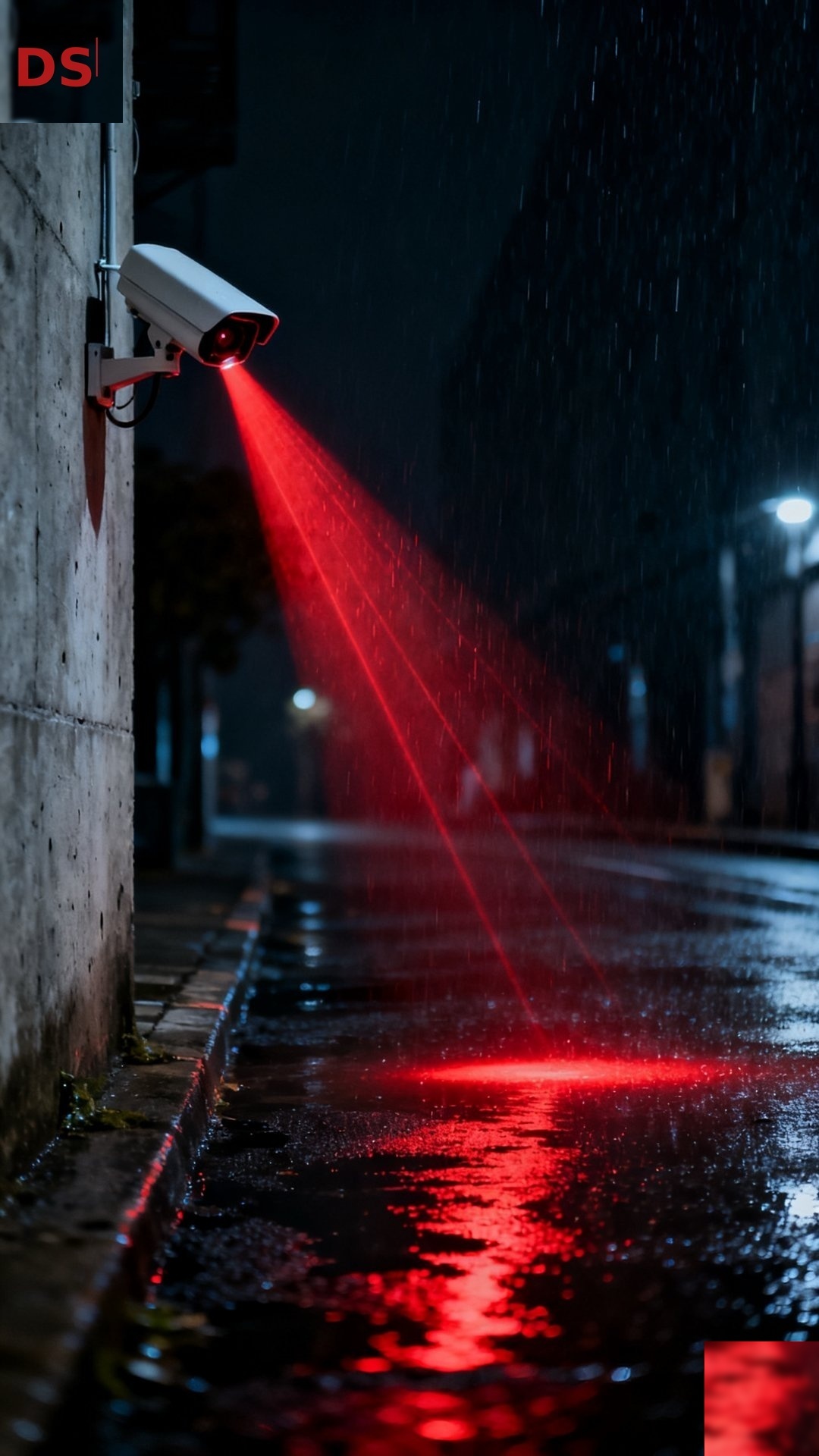
Eugene canceled its Flock Safety contract. Springfield followed. Then Bend. At least 30 cities nationwide have deactivated or dropped Flock cameras since early 2025, but Oregon became the epicenter.
What Flock Does
Flock Safety installs automated license plate readers on public roads. Cameras photograph every passing vehicle and log the plate, timestamp, location, and direction of travel. The company operates in over 5,000 communities with 4,800+ law enforcement contracts, scanning roughly 20 billion vehicles per month. If you drove through a Flock zone, your plate got recorded.
What Went Wrong
In May 2025, reporters found local police running Flock searches on behalf of ICE. Flock policy prohibits immigration searches. Policy did not stop the searches — it created liability. ICE has no direct access, but local officers do, and they searched on ICE’s behalf.
In Texas, sheriff’s deputies used Flock to track a woman who obtained an abortion. Post-Dobbs, plate readers became a tool for surveilling people seeking legal medical care across state lines.
The EFF found police departments querying Flock in connection with protest activity. A system sold as crime prevention was tracking people exercising First Amendment rights.
Why Oregon Moved First
Portland banned government facial recognition in 2020. Oregon passed one of the strongest consumer privacy laws in the country. When the Flock abuses surfaced, these communities already had the framework and the appetite to act. Eugene’s city council voted to end the contract. Springfield and Bend followed. Statewide regulation is in development.
No Opt-Out Exists
There is no consent mechanism for plate readers. No form. No database removal request. Every pass by a Flock camera logs your plate. And network sharing means your local department’s data can reach federal agencies your city council never authorized.
What You Can Do
Map your exposure. DeFlock.me has mapped 76,000+ plate readers nationwide. Search your commute.
Check plate lookup sites. Your plate may appear on SearchQuarry, FaxVIN, and similar commercial databases. Most have opt-out processes.
Register for Flock SafeList. If your community offers it, SafeList flags your vehicle as excluded from active searches. It does not prevent logging.
Audit connected car data. OnStar, Tesla, FordPass, Toyota Connected — most share location data with manufacturers. Opt-out settings are buried in the apps.
Push your city council. Councils decide whether to install, renew, or cancel these contracts. Oregon proved community pressure works.
Oregon’s Privacy Law
The Oregon Consumer Privacy Act added real enforcement. As of January 2026, the 30-day cure period expired — companies face immediate penalties for violations. The law prohibits sale of precise geolocation data within 1,750 feet and bans sale of minors’ data.
The question is simple: should a camera network track every driver in a community, with that data accessible to agencies beyond local control? Oregon said no. Thirty other cities agreed. Your city has not decided yet.
— J. Daniel, Dark Scrub