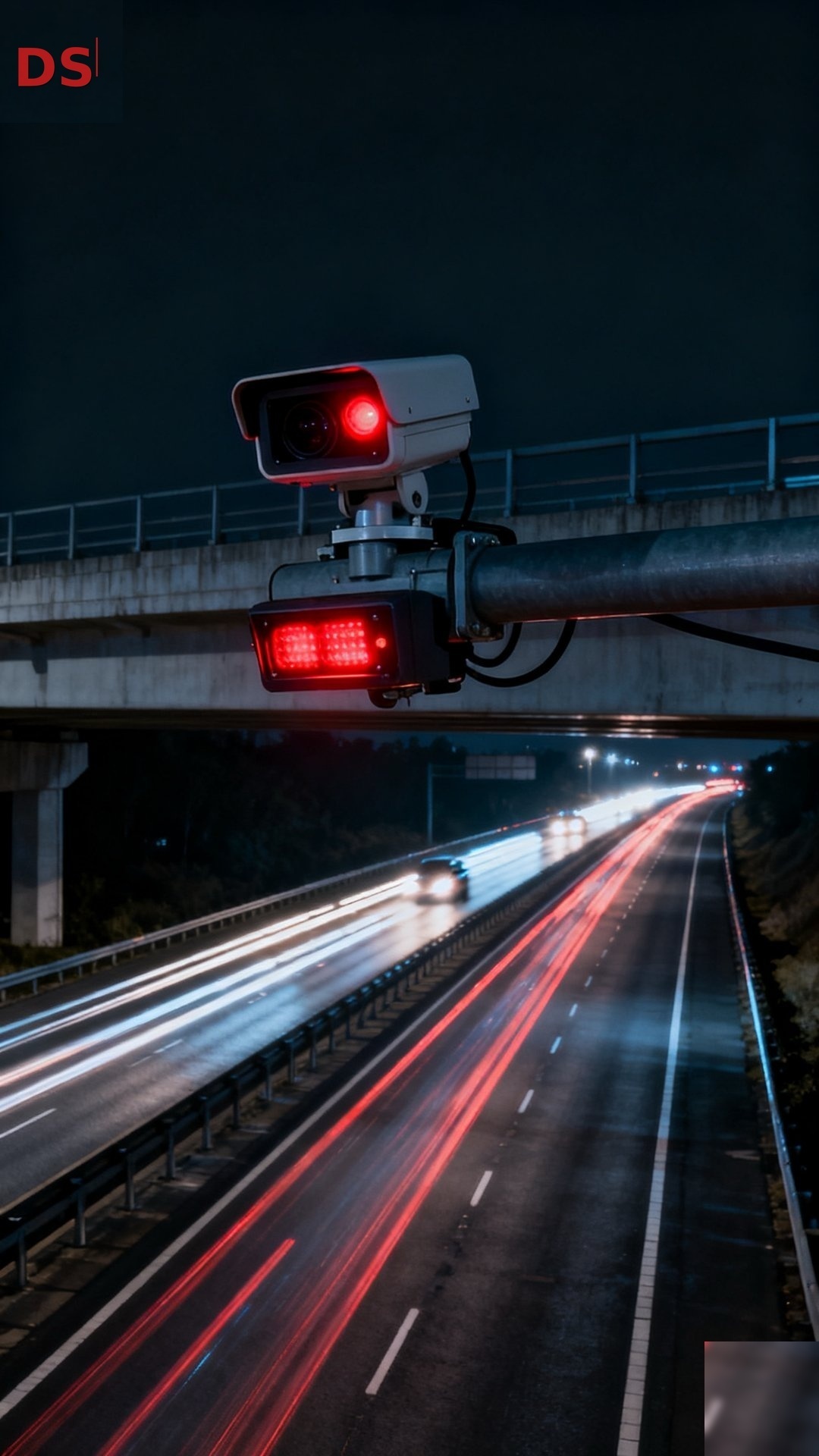
Anthropic turned down a Department of Defense contract that would have used Claude for mass civilian surveillance. They also refused autonomous weapons integration. The Pentagon responded by flagging them as a supply-chain risk, effectively locking them out of future federal contracts.
One AI company said no. That fact alone is worth examining.
The Precedent
Google faced an internal revolt over Project Maven in 2018 — a Pentagon AI program for drone footage analysis. They dropped it. But the industry trend since then has been toward government integration, not away from it. Defense money flows freely into AI, and most companies take it without hesitation.
Anthropic refused while Claude was topping app store charts. They had commercial momentum. They did not need the contract. That context matters — it is easier to hold a line when revenue is not a problem.
What Anthropic Says About Government Data
Their published policy: they respond only to valid legal process, attempt to notify affected users when permitted, and do not provide blanket access to user data. That puts them on the privacy-protective end of the spectrum. Not as strong as Signal, where the company cannot read your messages even if compelled. But meaningfully different from platforms that have cooperated with bulk data requests.
The Limits
Anthropic is a private company backed by billions in venture capital. Investor priorities shift. Regulatory pressure builds. Financial necessity changes corporate values. One refusal does not make a company immune to future compromise.
Claude processes your conversations on their servers. It is not a zero-knowledge system. Do not treat any cloud-based AI tool as equivalent to a locally-run model with no data retention. The privacy properties are fundamentally different.
Why This Matters Beyond One Contract
AI makes surveillance cheaper, faster, and scalable in ways that were impossible five years ago. A camera network that once required hundreds of human analysts now runs through a model. Facial recognition that needed specialized hardware is now a software layer on existing infrastructure. License plate readers, data broker aggregation, behavioral prediction — AI accelerates all of it.
The decisions AI companies make now about what they will and will not enable are shaping surveillance infrastructure that will exist for decades. In an industry where "yes" is the default answer to government money, a documented "no" to mass surveillance is worth tracking.
It is not the whole story. It is not a guarantee. But it happened, and that is more than most companies can say.
— J. Daniel, Dark Scrub