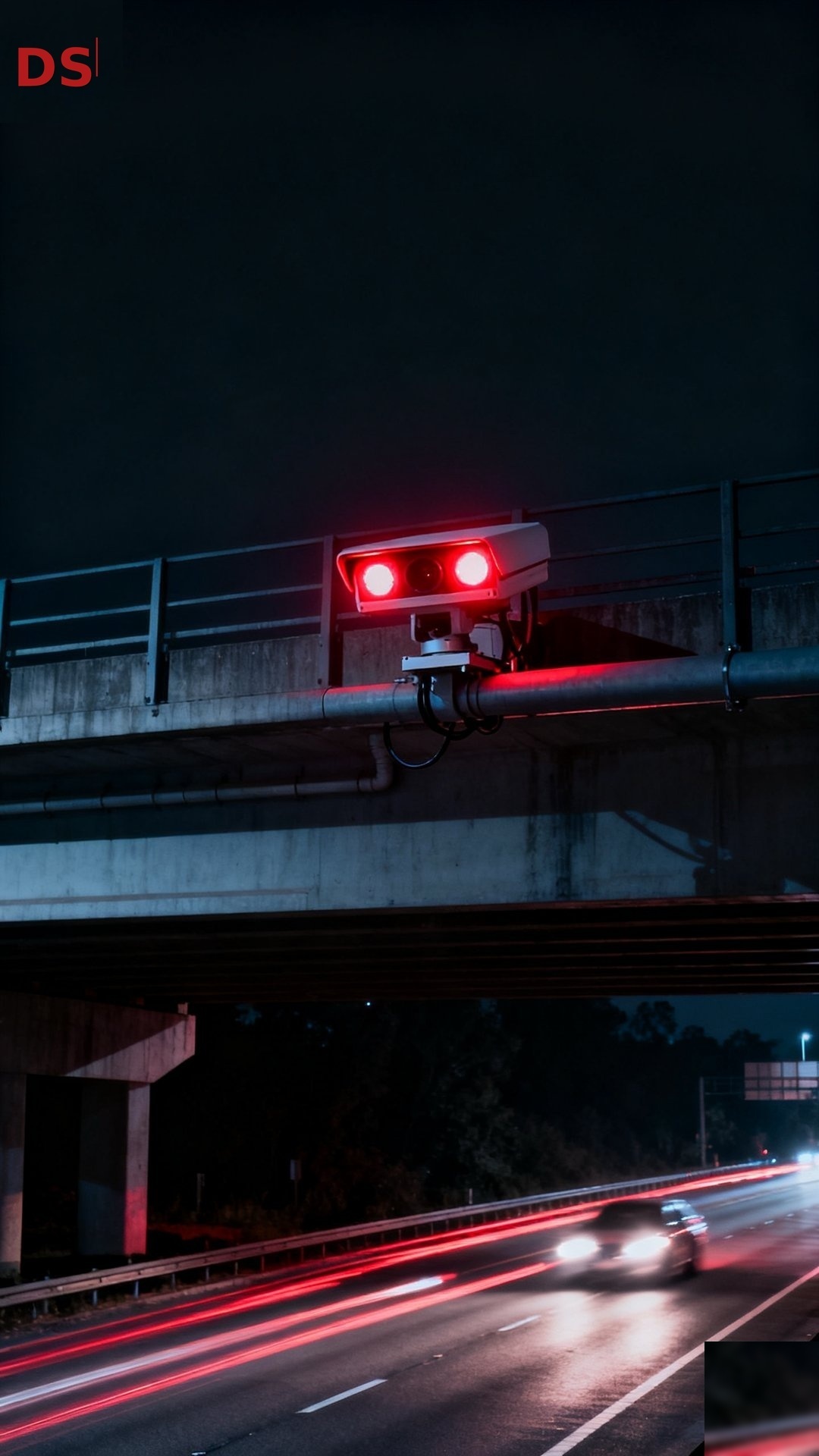
A Virginia activist destroyed thirteen Flock Safety cameras before getting caught. Oregon saw cameras spray-painted and sawed off poles. Same pattern in at least five states. People ripping down automated license plate readers with their bare hands.
Illegal? Yes. Ineffective? Also yes — the data those cameras already captured is still sitting on Flock's servers. But the rage is not irrational. It comes from what these cameras actually do once they are installed.
The National Lookup Problem
Flock Safety sells AI-powered plate readers to local police departments and city governments. Over 6,000 communities use them. The sales pitch is always local: your neighborhood, your crime stats, your safety.
The reality is national. Any camera with Flock's "National Lookup" feature feeds into a single searchable network. One query hits tens of thousands of cameras across the country. Woodburn, Oregon found this out the hard way — federal agents searched their 24-camera system 384 times in four months, each query touching roughly 80,000 cameras and 6,000 networks. The city was told the data would stay local. It did not.
ICE Got In
ICE ran at least 4,000 immigration-related searches through Flock between January and May 2025. This happened in sanctuary states — places that explicitly banned local law enforcement from cooperating with federal immigration enforcement. The cameras were sold as local crime tools. ICE used them anyway.
Senate records show 75% of Flock's law enforcement customers enrolled in the national database. Three out of four communities sharing data nationally, whether they understood that at signing or not.
Beyond Plates
The basic camera reads plates. The newer hardware goes further. Vehicle fingerprinting identifies make, model, color, body style, roof racks, bumper stickers, damage patterns. Condor tracks people, not just vehicles. Raven — a gunshot detection microphone — now also detects screaming and distress signals.
The network scans roughly 20 billion vehicles per month. No opt-out. No notification when your plate is logged. No standard governing retention or access.
The Pushback That Worked
DeFlock (deflock.org) crowdsource-mapped nearly 80,000 ALPRs nationwide. Over 50 cities canceled Flock contracts after community pressure — Oregon, Arizona, Massachusetts, California, Washington.
Oregon hit hardest. After the Woodburn audit, Eugene, Springfield, and Bend all ended their contracts. Senator Ron Wyden wrote directly to Flock's CEO, calling abuse of the system inevitable. State legislators moved toward regulation.
No federal law governs ALPR data retention. No national standard for access or opt-out. The communities that actually got cameras removed did it through city council meetings, public records requests, and showing up consistently. That worked. Destroying hardware did not.
What You Can Do
Map your exposure. Search your city on deflock.org. Check how many cameras sit along your commute.
Check plate lookup sites. SearchQuarry, FaxVIN, and similar aggregators pull plate data from multiple sources. Most have opt-out processes, but you submit them one at a time.
Audit your connected car. Most vehicles built in the last decade share location data with the manufacturer. OnStar, FordPass, Toyota Connected, Tesla — the settings exist, buried deep in menus you never opened.
Ask your city council. Find out if your community uses Flock. Find out if National Lookup is enabled. Ask who has access and whether anyone has ever audited the data.
The people tearing cameras down are angry for the right reasons. But the ones getting cameras removed — permanently, legally — are the ones showing up to meetings and asking hard questions.
— J. Daniel, Dark Scrub